

Cable Wire Railing Systems
Tyler Madison manufactures the wire rope assemblies used inside wire rope railing systems and cable wire railing systems. We cut and swage stainless cable to length, attach the specified terminals, and document each run so your railing supplier or fabricator can install a consistent, repeatable system. We do not provide posts or structural design; our focus is on accurate, reliable cable assemblies.
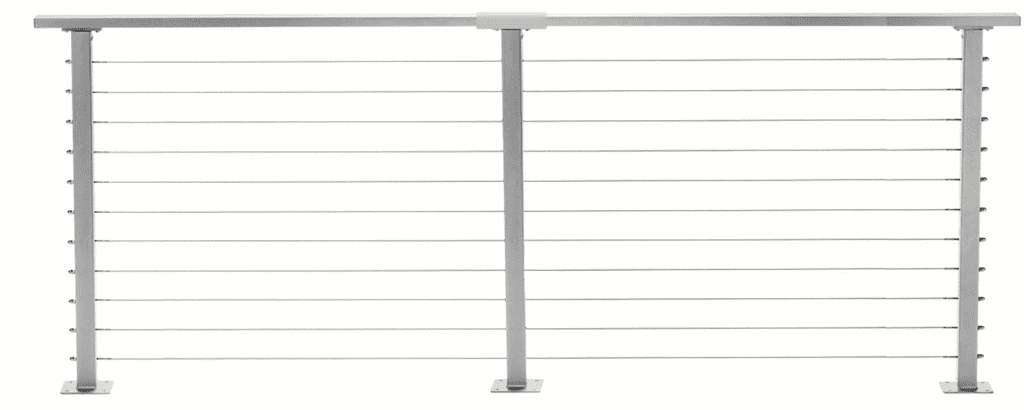
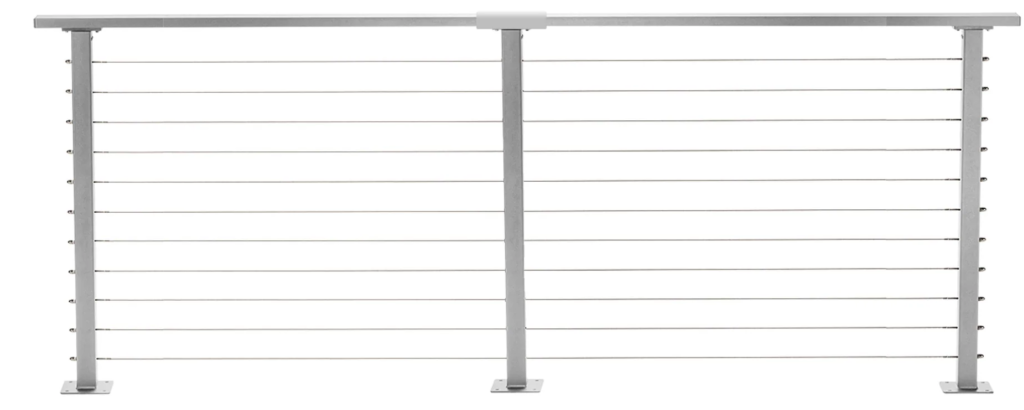
How Wire Rope Fits Into a Cable Railing System
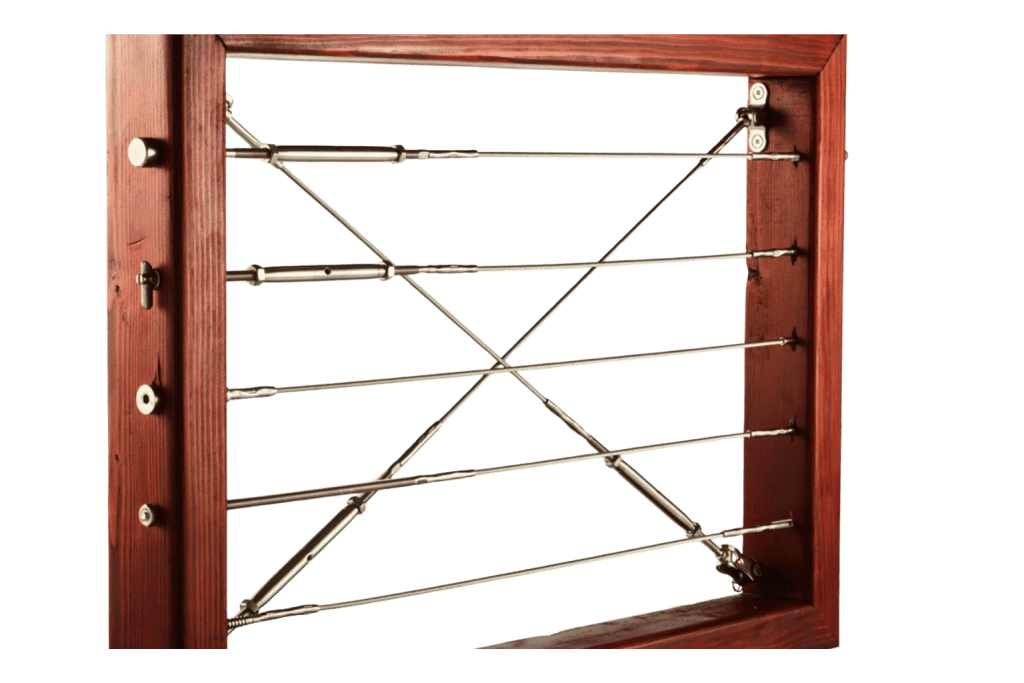
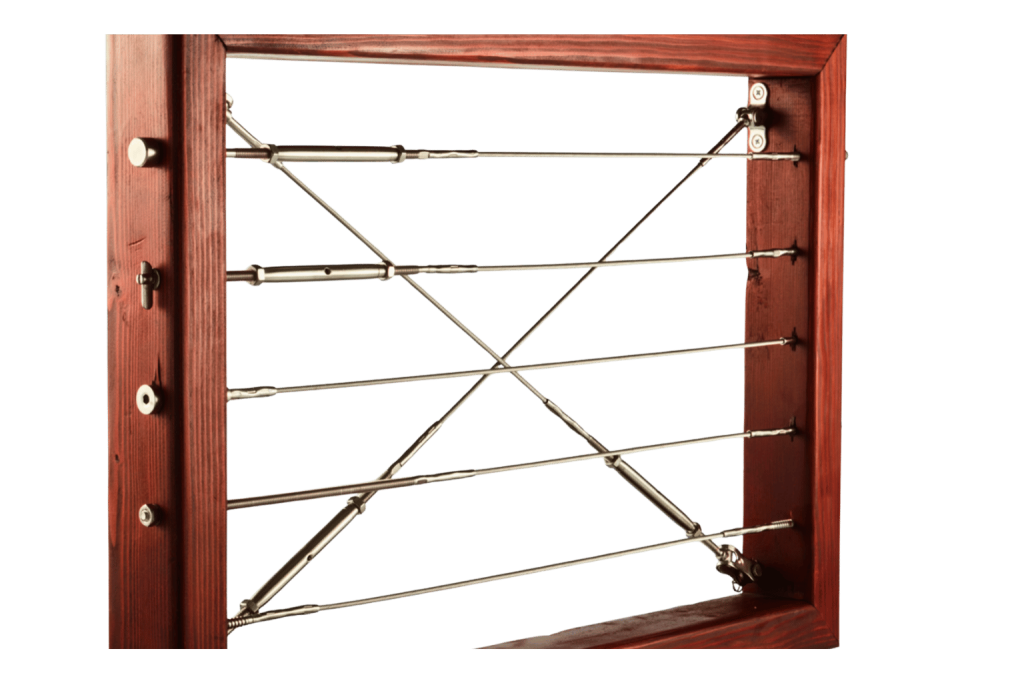
In a typical cable wire railing system, stainless cable runs between end posts and intermediate posts. Each run uses a specific cable diameter, terminal type, and tensioning method. Our job is to build those wire rope runs as complete assemblies. We work from your railing layout or supplier details to produce cables that arrive cut, swaged, labeled, and ready to install.
We commonly provide:
- T316 stainless cable railing diameters from 1/8 inch to 1/4 inch
- T316 Swaged and hand swage threaded terminals, turnbuckles, marine eyes, and other railing fittings
- Left and right hand threads where required for tensioning
- Documentation of run lengths and identification for the installer
Designing Cable Wire Railing Systems With Us
We typically enter the process after you or your railing supplier has defined the basic layout and code requirements. From there, our role in wire rope railing systems is:
- Review drawings or sketches that show post locations, span lengths, and number of runs.
- Confirm cable diameter, construction, and stainless grade.
- Select terminals, tensioners, and intermediate hardware that match your posts and rails.
- Define exact cable lengths, thread direction, and measurement points.
- Build and label each assembly so installers can match cable assemblies to specific runs.
This approach helps keep installation predictable and reduces rework caused by field cutting.
Where Cable Wire Railing Systems Are Used?
Cable railing systems are often chosen when designers want clear sightlines and low visual weight. Our wire rope railing systems assemblies are commonly used in:
- Residential decks and balconies
- Small commercial patios and rooftop spaces
- Interior stairways and mezzanines
- Industrial platforms where a wire rope guardrail system is acceptable under local code
We recommend working with a qualified designer or structural engineer to verify that any cable wire railing system meets applicable safety and guardrail requirements. Our assemblies are built to match those specifications.

Cable Assembly Options for Railing Systems
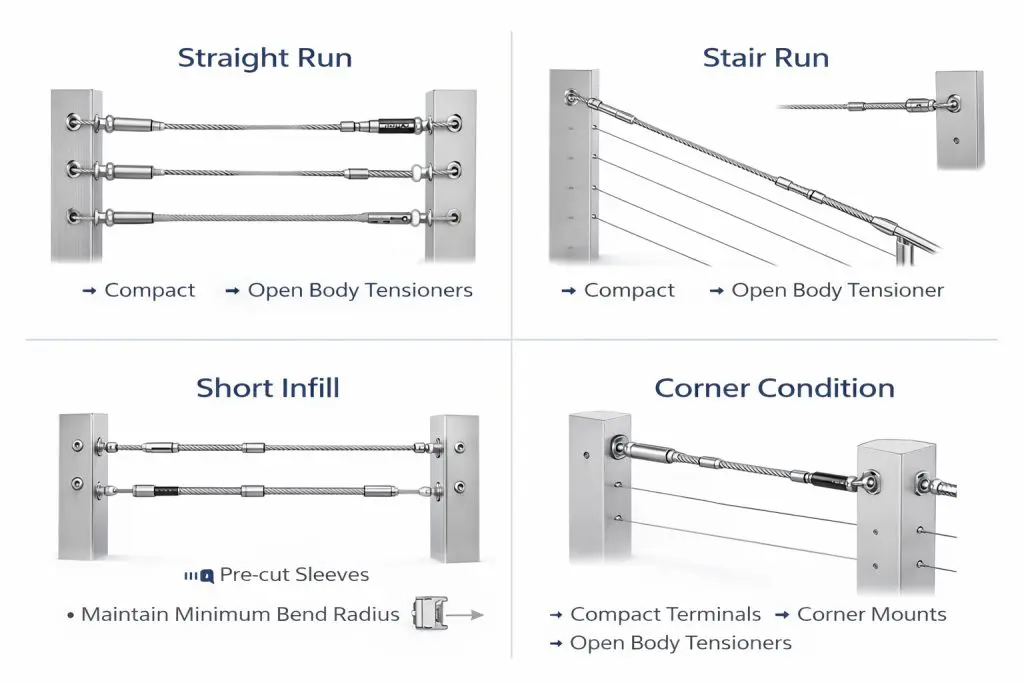
Within a wire rope railing system, not every run is identical. We can build different assemblies for:
- Straight runs between posts
- Stair runs at a consistent angle
- Short infill runs near gates or transitions
- Corner conditions using specific hardware arrangements
Options include:
- Standard and compact terminals to fit tight post geometry
- Swaged fittings that hide inside posts
- Open body and closed body tensioners, depending on access
- Pre-cut sleeves or grommets to protect cable at intermediate posts
Quality and Field Performance
Railing systems depend on consistent cable tension and long term resistance to corrosion. We use the same manufacturing process for wire rope railing systems as we do for industrial wire rope assemblies:
- Cable cut to length on dedicated equipment
- Terminals swaged using high tonnage hydraulic presses
- Pull testing to confirm assemblies meet strength requirements
- ISO-based procedures for repeatability and traceability
For installers and railing suppliers, this means each cable assembly is ready to tension and behaves predictably from run to run.
Customer Results and Reviews
Cable railing is highly visible, so installers and railing suppliers need assemblies that look clean and tension evenly. Use this section to add:


Easy Handling
Short comments from installers or fabricators about how the assemblies handled in the field


Completed Installations
Photos of completed cable wire railing systems where your assemblies were used
Related Services and Products
Cable railing assemblies are one part of our broader cable assembly capabilities. You can also work with our team for designing and purchasing:
- Wire Rope Assemblies in structural or functional roles
- Push Pull Cable & Bowden Cable Assemblies for mechanical control systems
- Wire Rope & Aircraft Cable in railing and non-railing applications
- Terminals and End Fittings used within those assemblies
Benefits of Cable Railing
Adding a cable railing system to your home or business opens up a feeling of space, allowing an unobstructed view of your surroundings, similar to glass. Perfect for decks with scenic mountain views, a home on the lake or prairie, they can even add a feeling of spaciousness to cramped city life. However, unlike glass, your cable decking will never need cleaning or polishing, nor will it require the regular staining and painting that traditional wood decking systems have need of. Cable railing is designed to be durable and require minimum maintenance.

Wire Rope Construction for Cable Railing
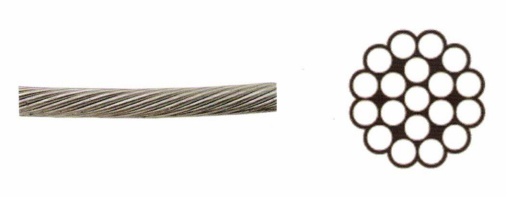
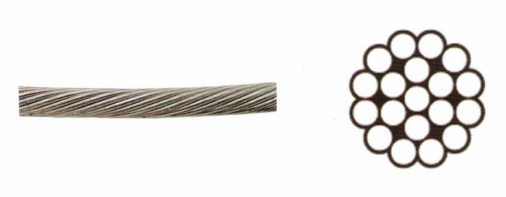
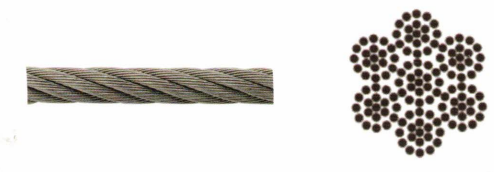
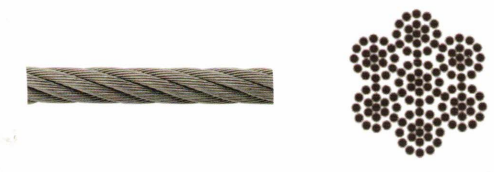
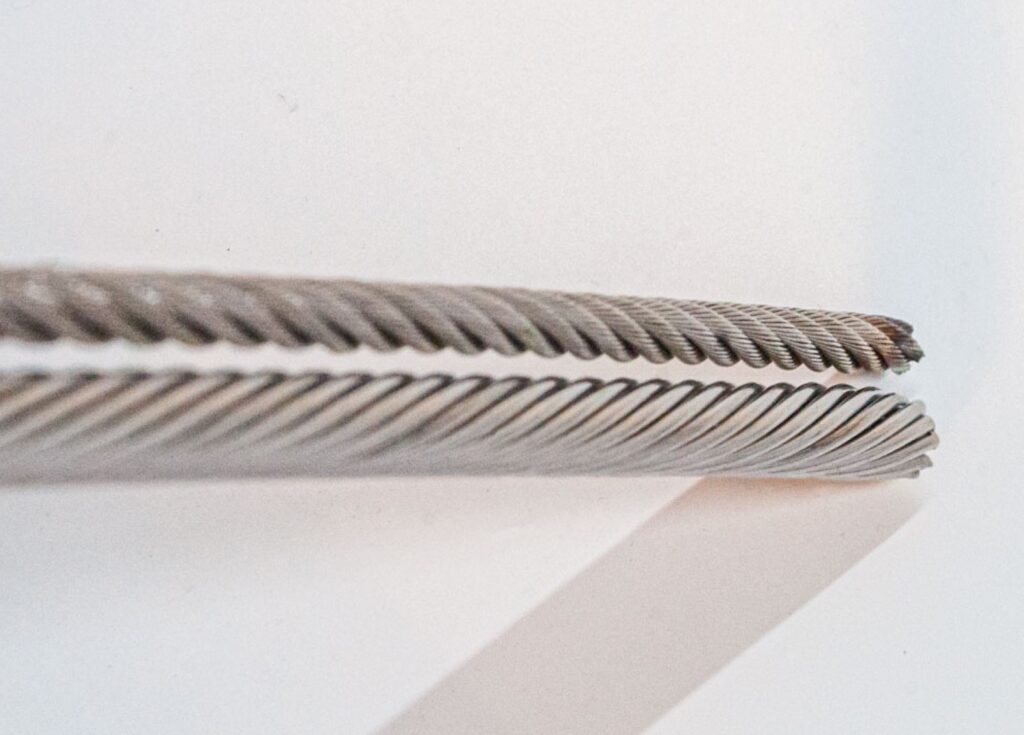
Our wire rope for construction applications comes in two different construction types. Our 1X19 (19 of a single wire) has a shiny appearance and is made to be durable and resistant to abrasion. Our 7×19 (19 bundles of 7 wires) has more of a “rope” appearance and is not resistant to abrasion.
Materials Used in Cable Railings
316 stainless steel is the most commonly used material in our wire ropes for cable railings.
Hand Swage and Machine Swage Cable Railing Parts
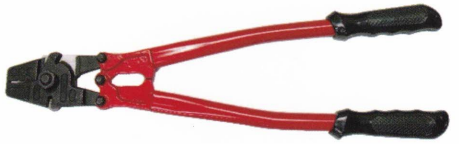
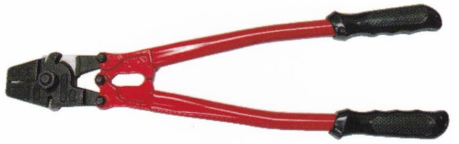
Swaging is another term used for “crimping”. Hand swage parts can be crimped on with a specialized hand crimping tool, we offer various hand crimping tools, such as the SST-3 (seen below). Hand-swaged parts, if crimped perfectly, will hold up to 60% of the cables breaking strength.
Note* In our catalogs, “HS” stands for Hand Swage, and “MS” stands for Machine Swage.
Pros and Cons of Hand Swaging and Machine Swaging
Hand Swaging
Pro: You can cut the wire yourself, guaranteeing you have the correct measurements and can save time during the process
Con: This process doesn’t look as good and doesn’t hold to breaking strength. Also, you will most likely throw away parts while you learn to use the swaging tool correctly.
Machine Swaging
Pro: Your railings will have a clean and uniform appearance and each railing will hold to the breaking strength of the wire. They will also arrive ready to install.
Con: If the measurements provided are not 100% accurate, the railing will be unusable. The structure may bend as the railing is tightened, and the required measurements for the top cables could change. Lastly, the process is much more costly.
Cable Railing Part Sizes
We offer three different cable railing part sizes.
- 1/8″ T316
- Breaking Strength of 1900 lbs (Pulls out around 1140lbs with hand swage)
- 3/16″ T316
- Breaking Strength of 3600 lbs (Pulls out around 2160 lbs with hand swage)
- 1/4″ T316
- Breaking Strength of 6400 lbs (Pulls out around 3840 lbs with hand swage)
Cable Railing Safety
Like all other railing systems, safety is a top priority. Specific requirements must be met for a railing to be deemed safe. Two types of cable railing requirements must be met. One is the International Residential Code (IRC), and the other is the Local/City/State Codes.
Other codes and requirements that should be followed are Load Requirements, Sphere Rules, Handrail and Guardrail Height Requirements, Spacing, Proper Tension, and more.
We recommend you contact local code officers first before starting any projects.
4-Inch Ball Test
The 4-Inch Ball Test can help prevent toddlers from getting their heads stuck in railings by testing the size of the gaps between the railings. The test involves attempting to pass a 4-inch diameter ball through the gaps between the railings to determine if a child’s head could become trapped. If the ball cannot pass through the gaps, then it is likely that a child’s head would not be able to either, reducing the risk of injury. This test is often used in building codes and regulations to ensure that railings are constructed with appropriate gaps to prevent such accidents.
FAQs
What is a cable railing system?
Cable railing uses stainless steel cables in place of traditional pickets or spindles. When tensioned between posts, the cables provide a safe guardrail that maintains clean sight lines and a modern, open look for decks, balconies, and stairs.
What are the advantages of a cable railing vs a traditional wood railing?
Cable railing offers a more contemporary aesthetic and preserves views through the railing. It typically requires less ongoing maintenance than wood balusters and can be easier to keep clean. Wood systems can cost less initially but usually need more regular painting or staining and can obstruct the view.
What type of wire rope do you recommend for cable railing?
We generally recommend 1×19 stainless steel cable for railing infill. It is relatively stiff, resists stretch, and has a clean, streamlined appearance that works well with tension hardware and posts.
How far apart should posts and cable runs be spaced?
Many building codes limit the maximum opening in a guardrail to about 4 inches. To control deflection and stay within that opening, installers often space cables at about 3 inches on center and keep post spacing relatively tight. You should always confirm final spacing and design details with your local building authority and project engineer.
Can cable railing be used in coastal or commercial applications?
Yes. For coastal, pool, or commercial projects, stainless steel cable and corrosion-resistant hardware are strongly recommended. Regular inspection and cleaning help maintain both appearance and performance. We can help you select cable and fittings that are appropriate for your environment.