
Push Pull Control Cable Assemblies
Push-pull cable assemblies (also known as control cable assemblies) are flexible mechanical cables that transmit force in both push and pull actions. They enable remote, precise control of mechanical mechanisms in applications from aerospace to fitness equipment.
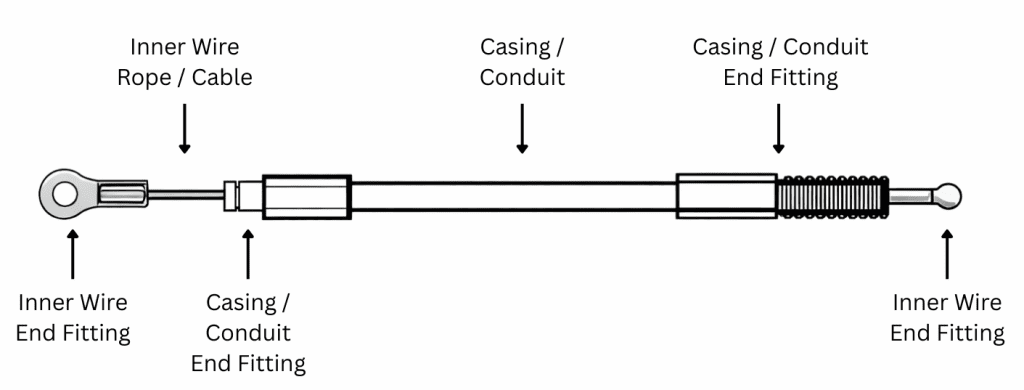
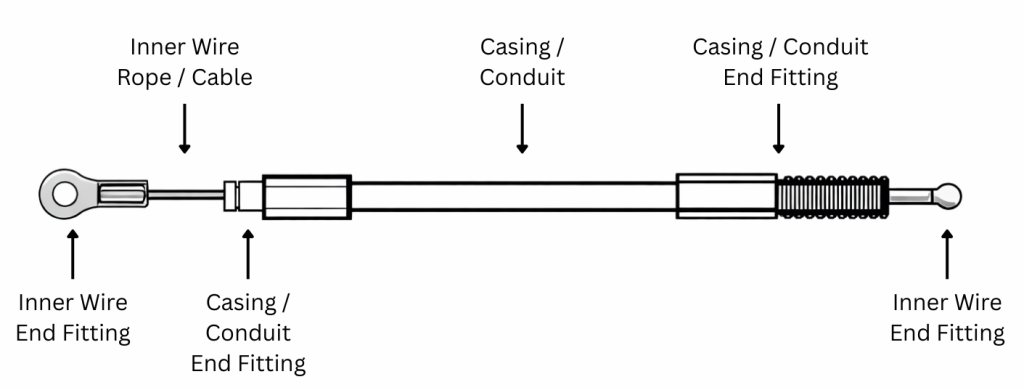
There are 4 main components
- Conduit/Casing
- Conduit Fittings
- Wire/Wire Rope
- Wire Rope End Fittings
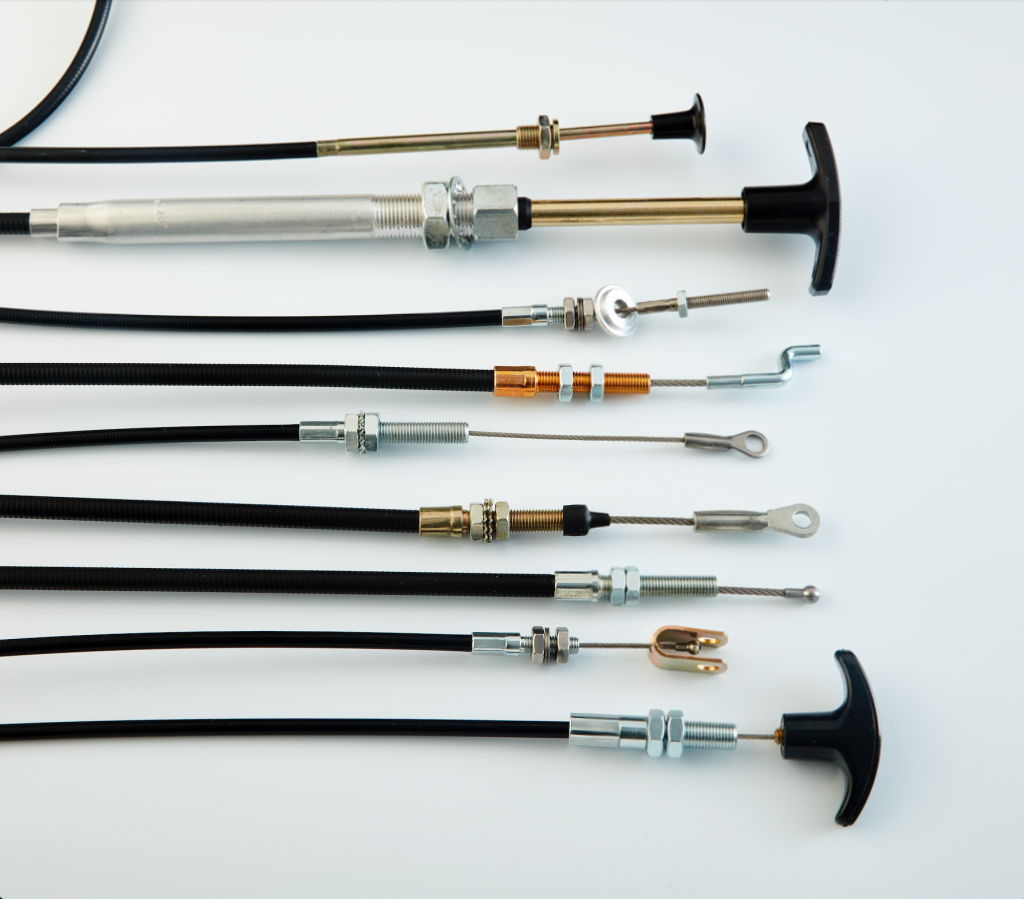
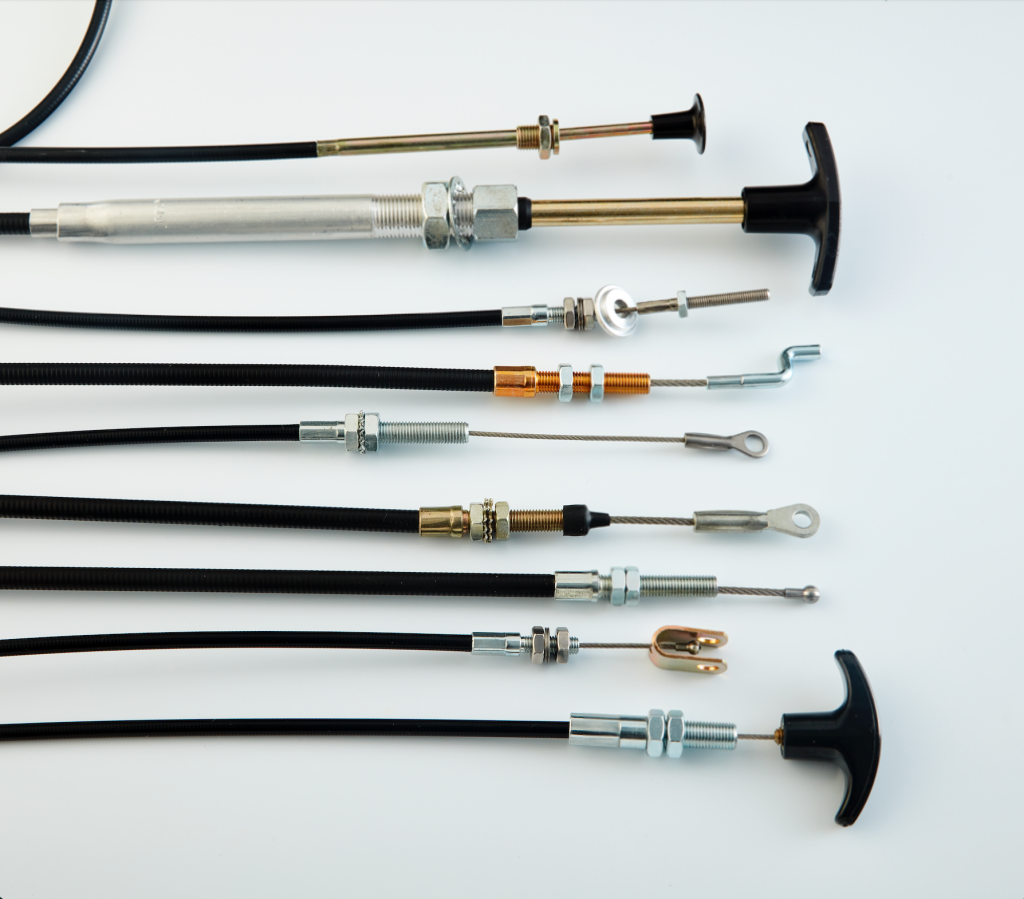
Building Your Push Pull Control Assembly
Each custom push pull control cable is built around your required stroke, load, and routing so your controls feel consistent and perform over the life of your equipment.
1. Choose Your End Fittings
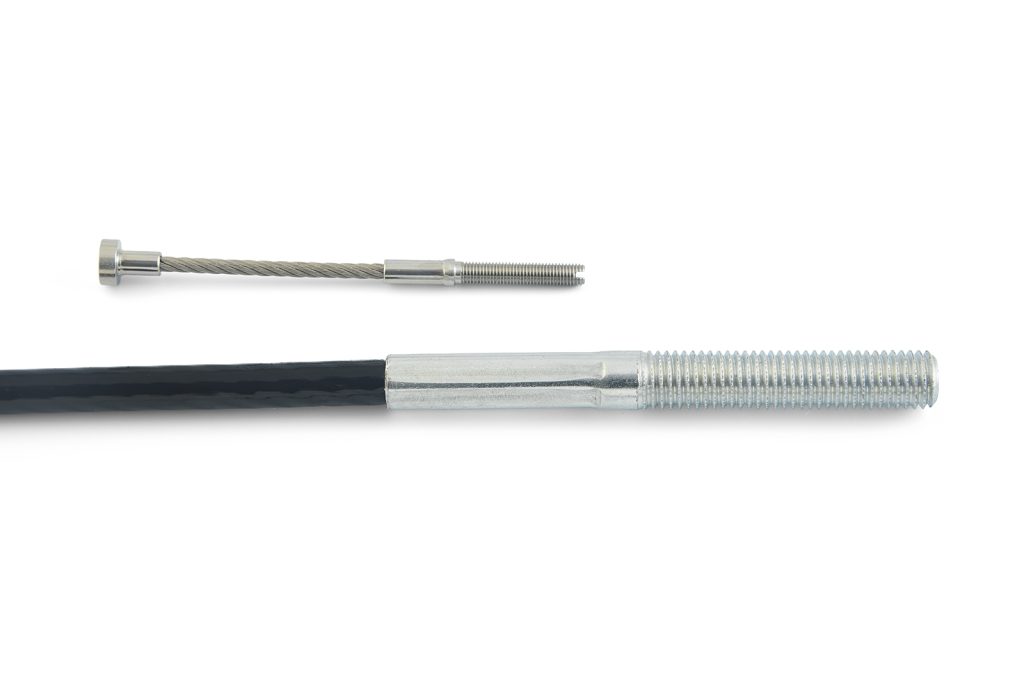
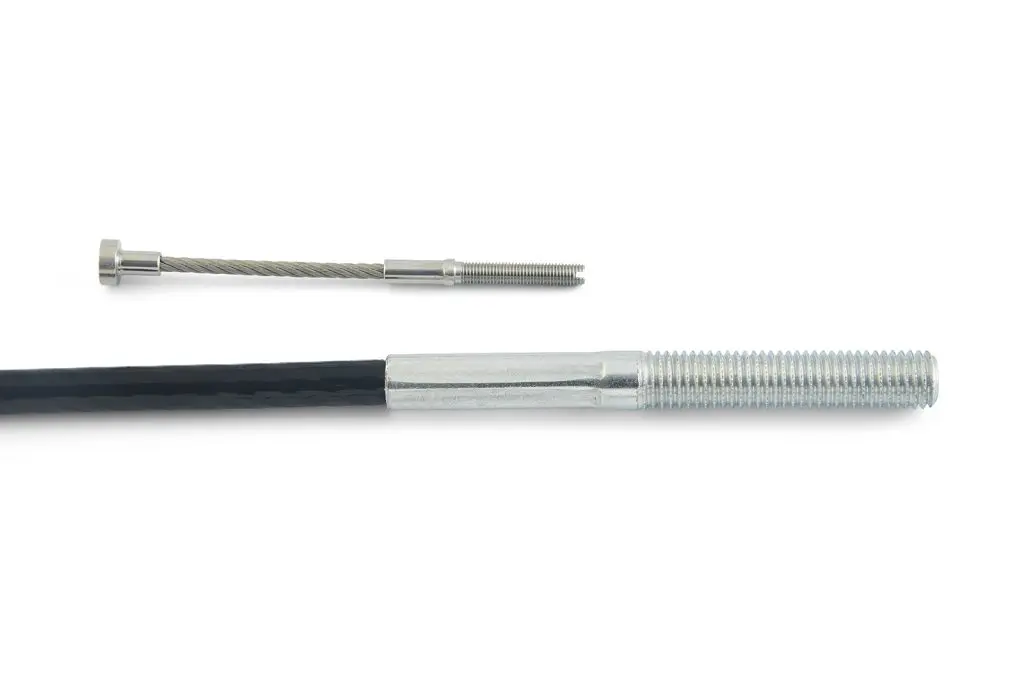
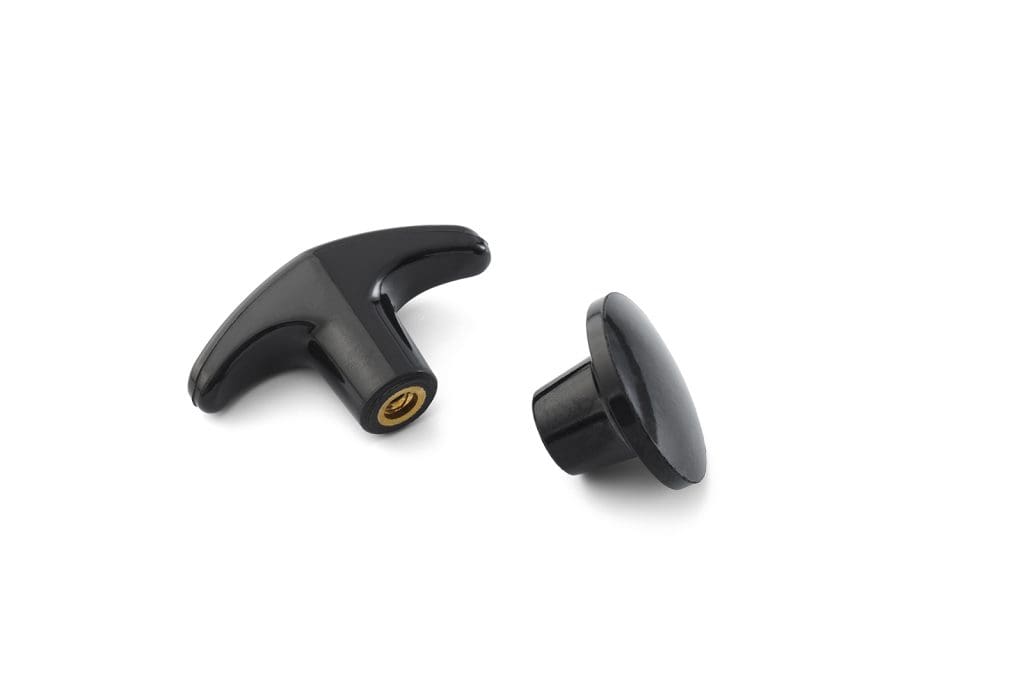
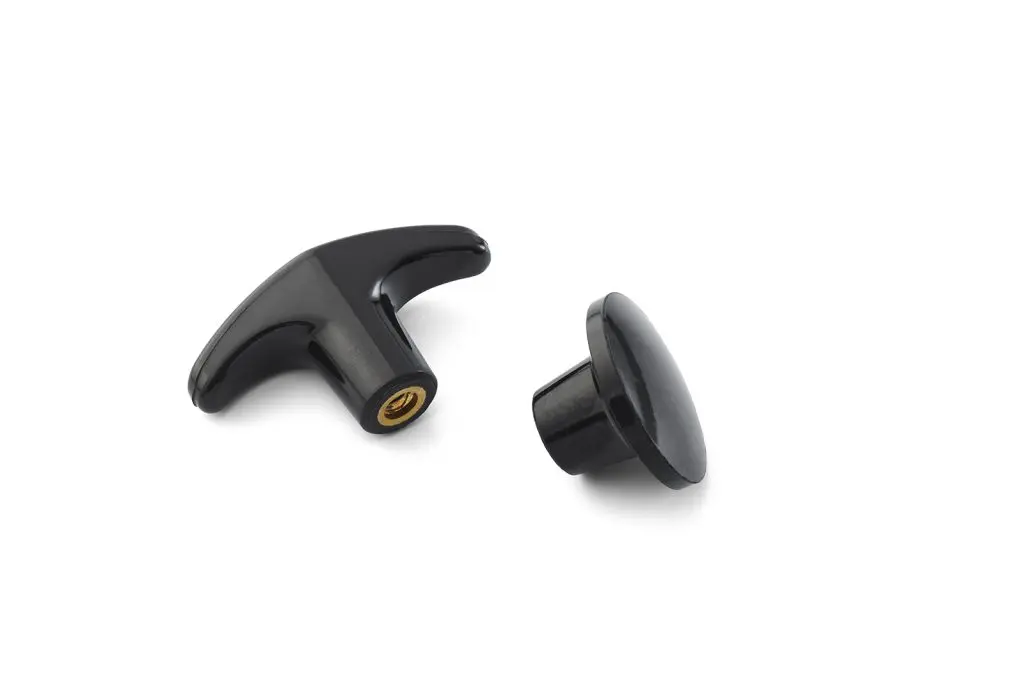
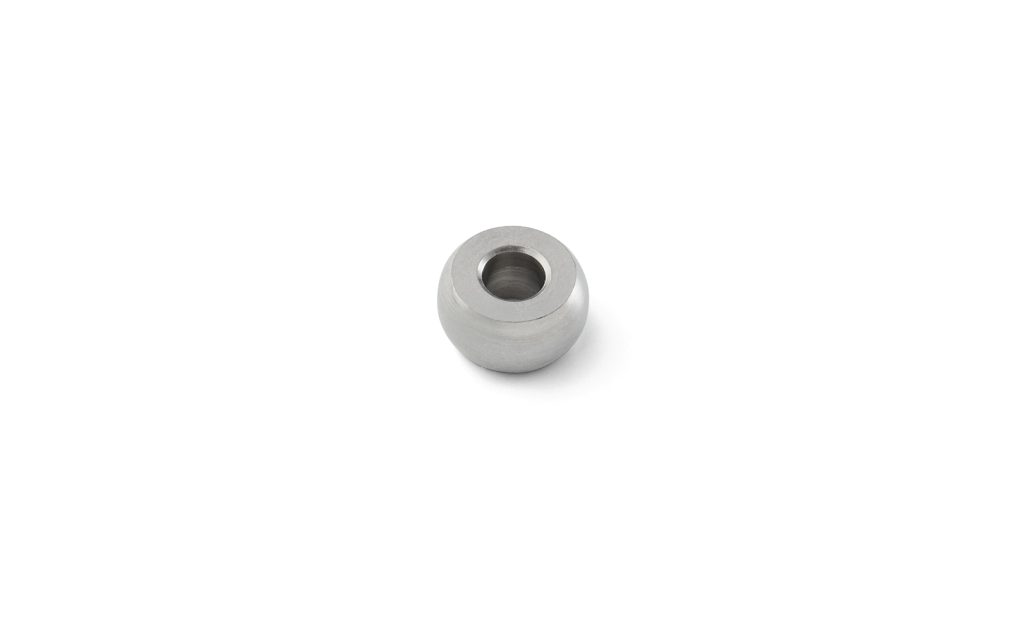
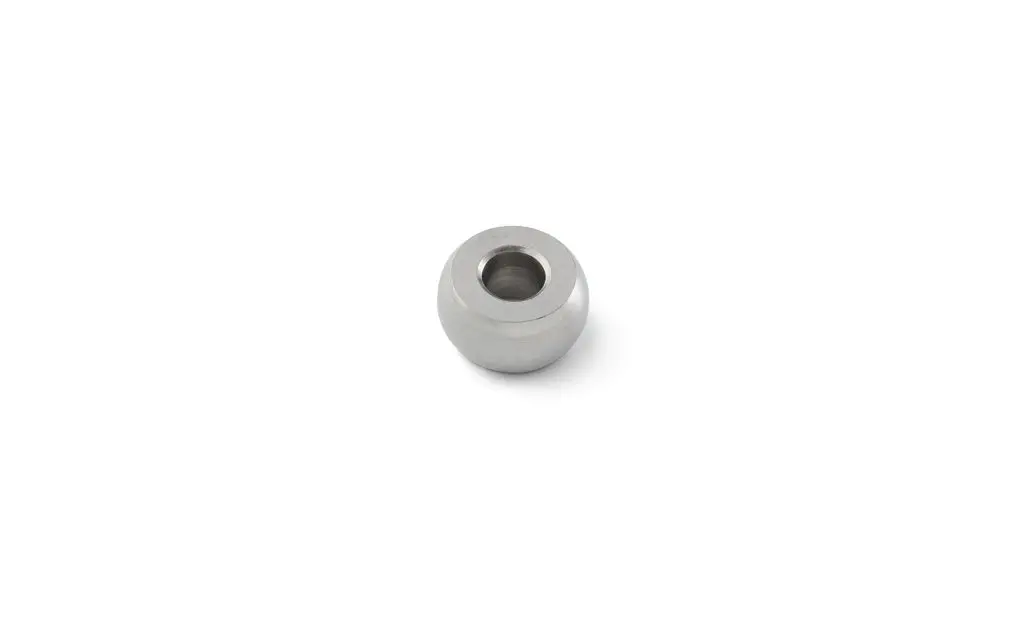
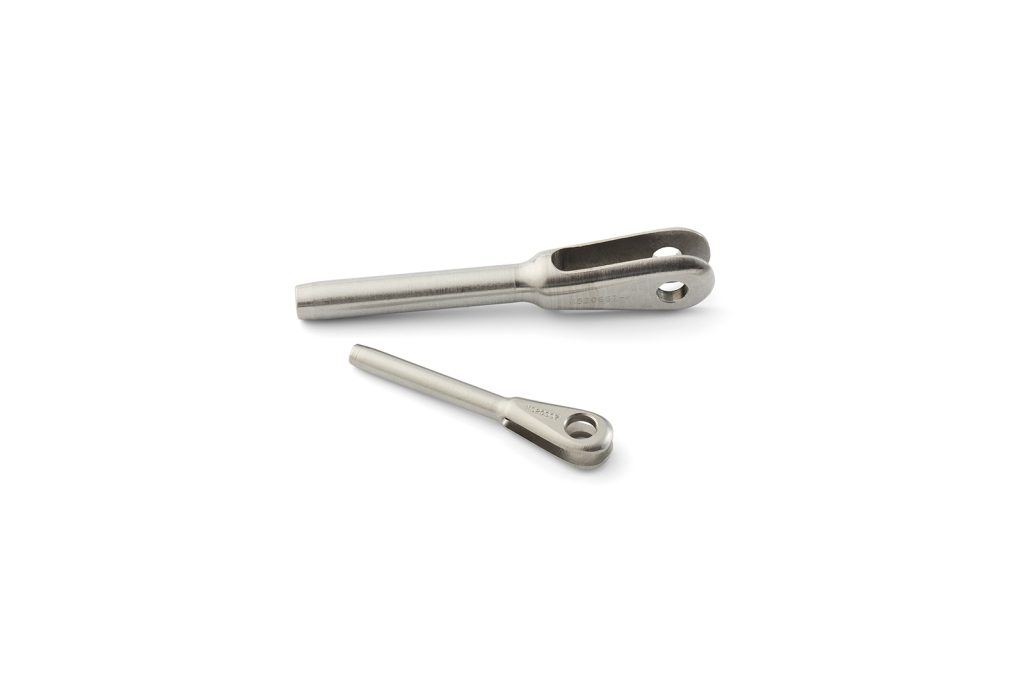
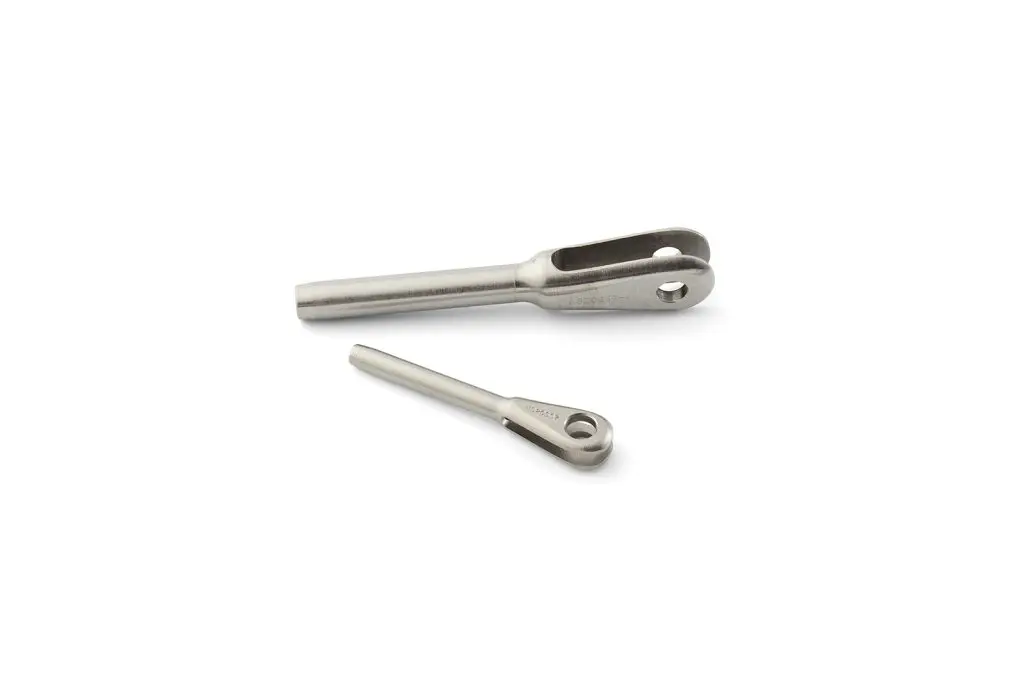
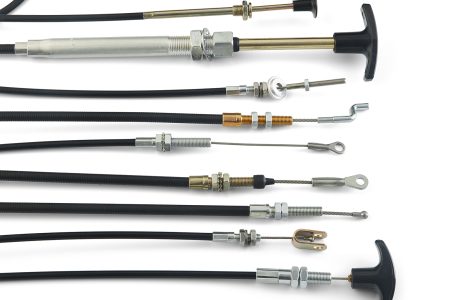
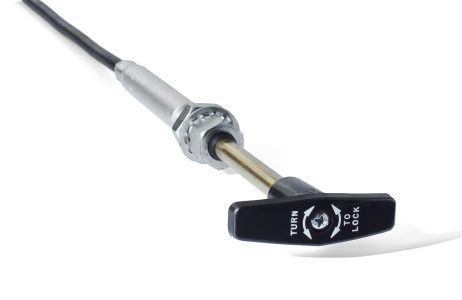
End fittings are where your cable meets the rest of your system, so they drive how the assembly connects, aligns, and performs over time. Tyler Madison offers a wide range of standard and custom end fittings, including balls, ball shanks, stamped eyes, stops, threaded studs, strap forks, thimbles, and push-pull knobs and handles such as T-handles.
When selecting end fittings, we’ll look at:
- How you need to attach (through-hole, thread, clevis/eye, handle/knob, etc.)
- Available space and alignment at each connection point
- Required torque, grip, and ergonomics for manual handles
- Corrosion resistance or special material/coating needs
Starting with the right end fitting ensures your assembly mounts securely, resists deflection under load, and interfaces cleanly with your mechanism.
2. Select Cable Diameter
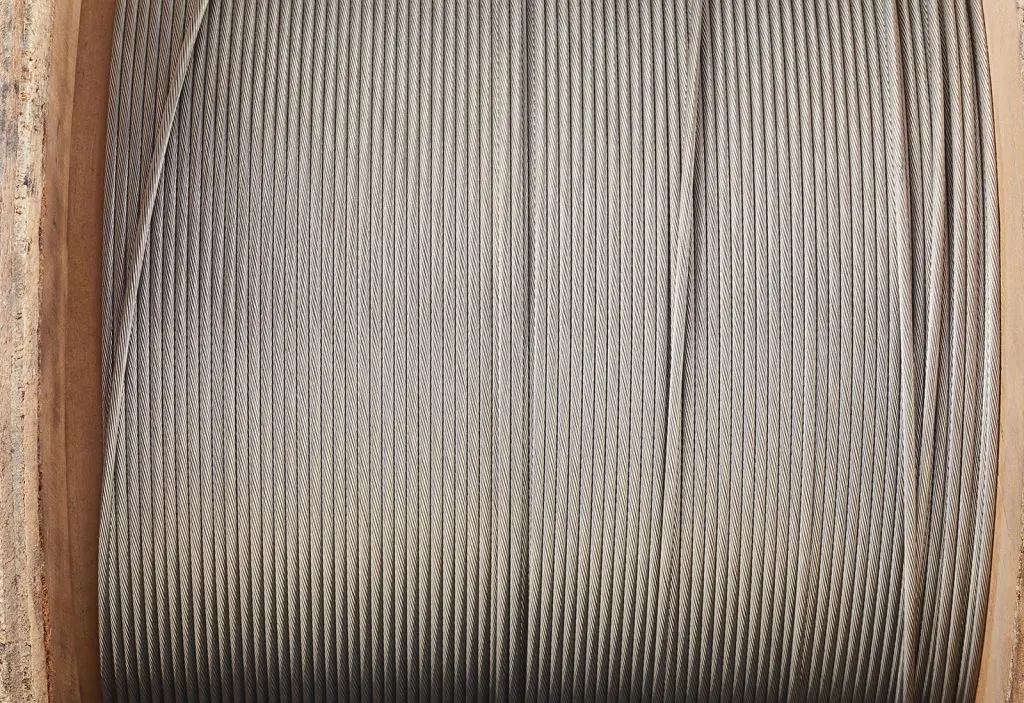
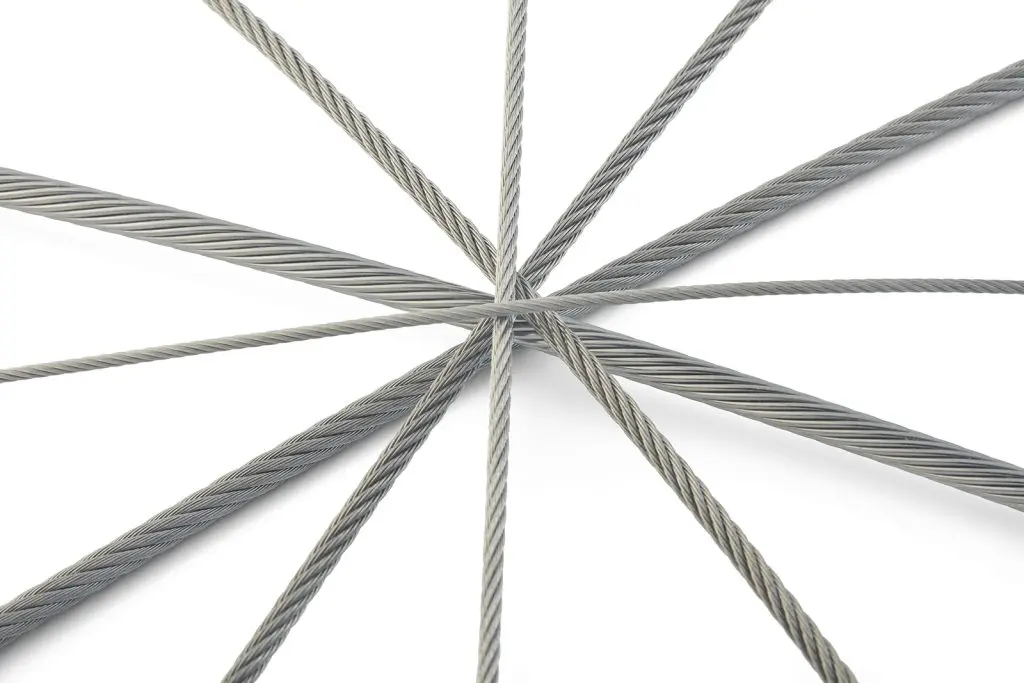
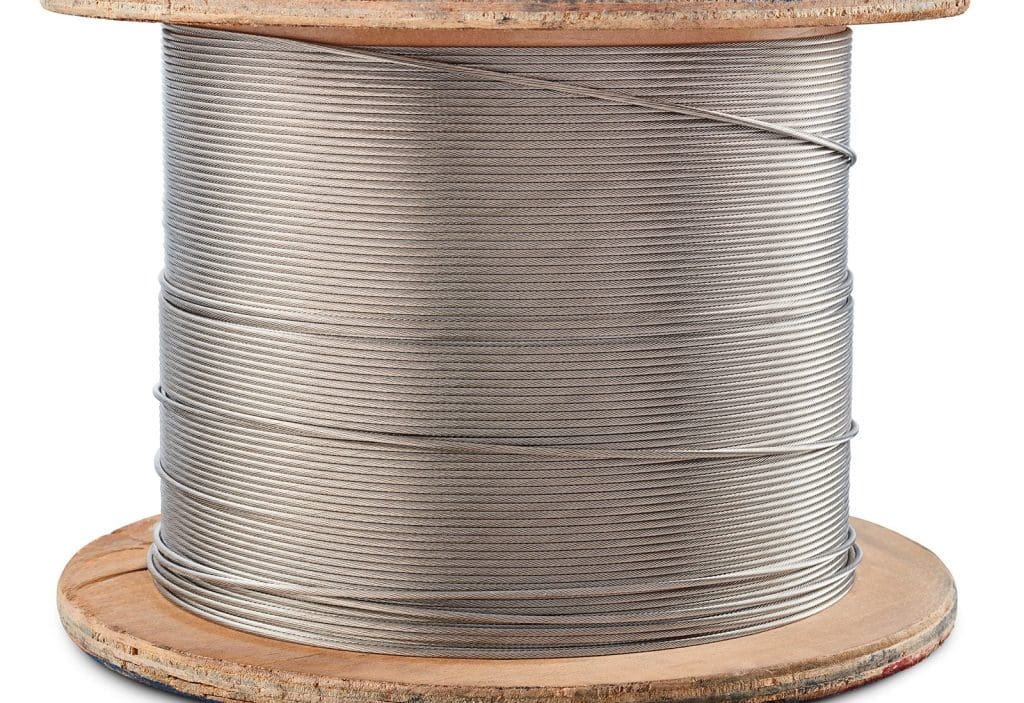
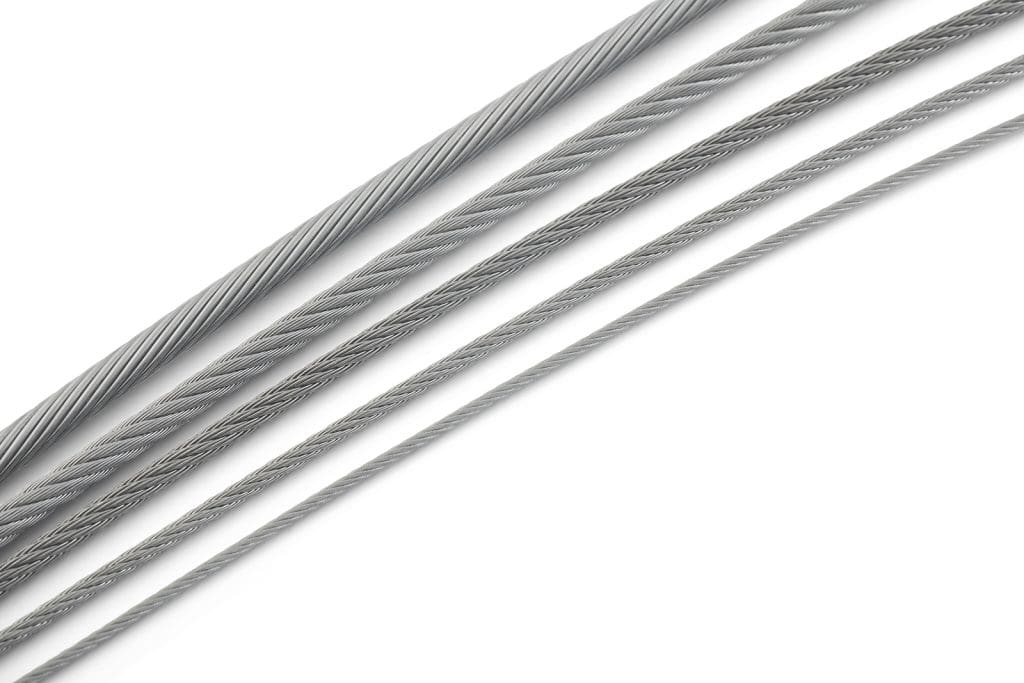
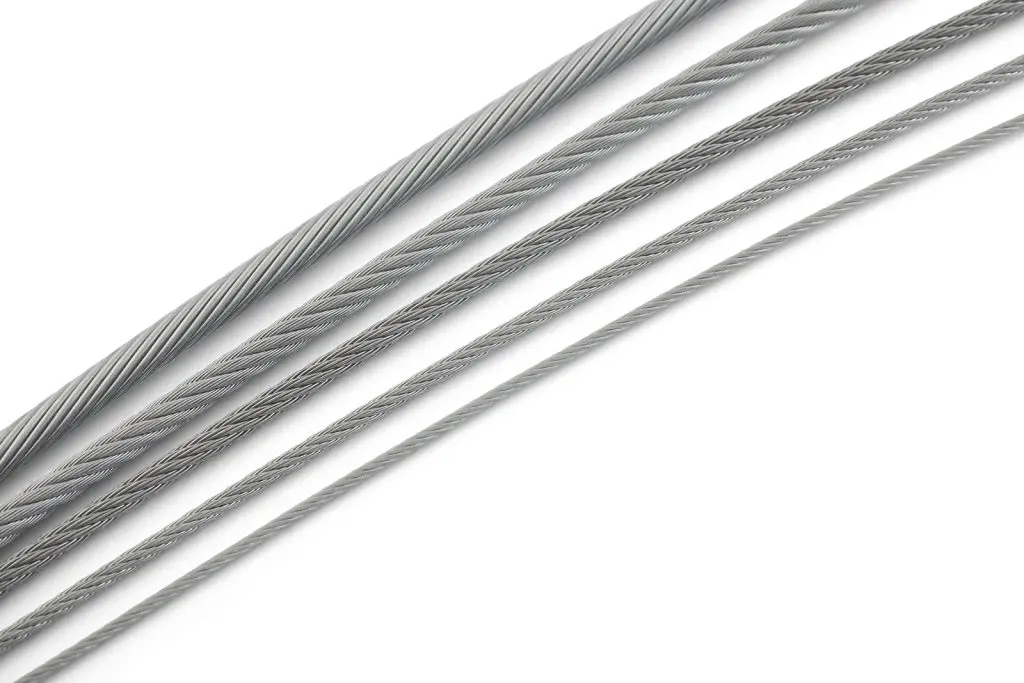
The inner cable (or core wire) carries the actual push and pull load. Its diameter and construction determine:
- How much force the assembly can transmit in push and pull
- How stiff or flexible the cable feels in operation
- Minimum bend radius and routing options
- Stretch and accuracy over the full stroke
The most common cable diameters are 1/16 and 3/32. Although we can get or make anything, most applications don’t need anything larger than 1/16 or 3/32.


3. Choose Conduit & Conduit Fittings
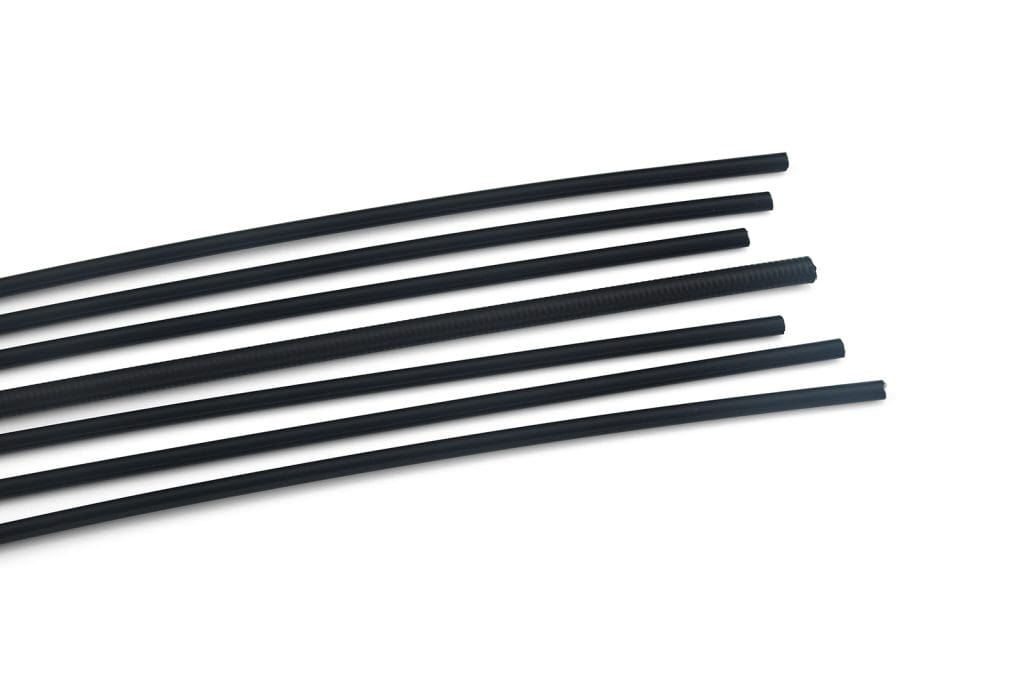
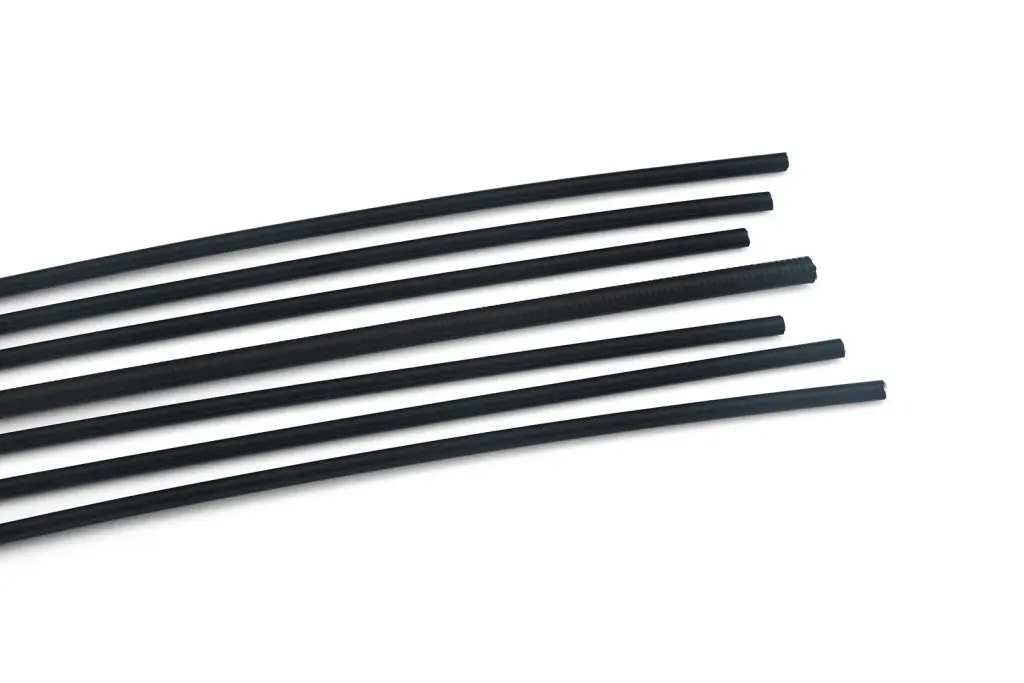
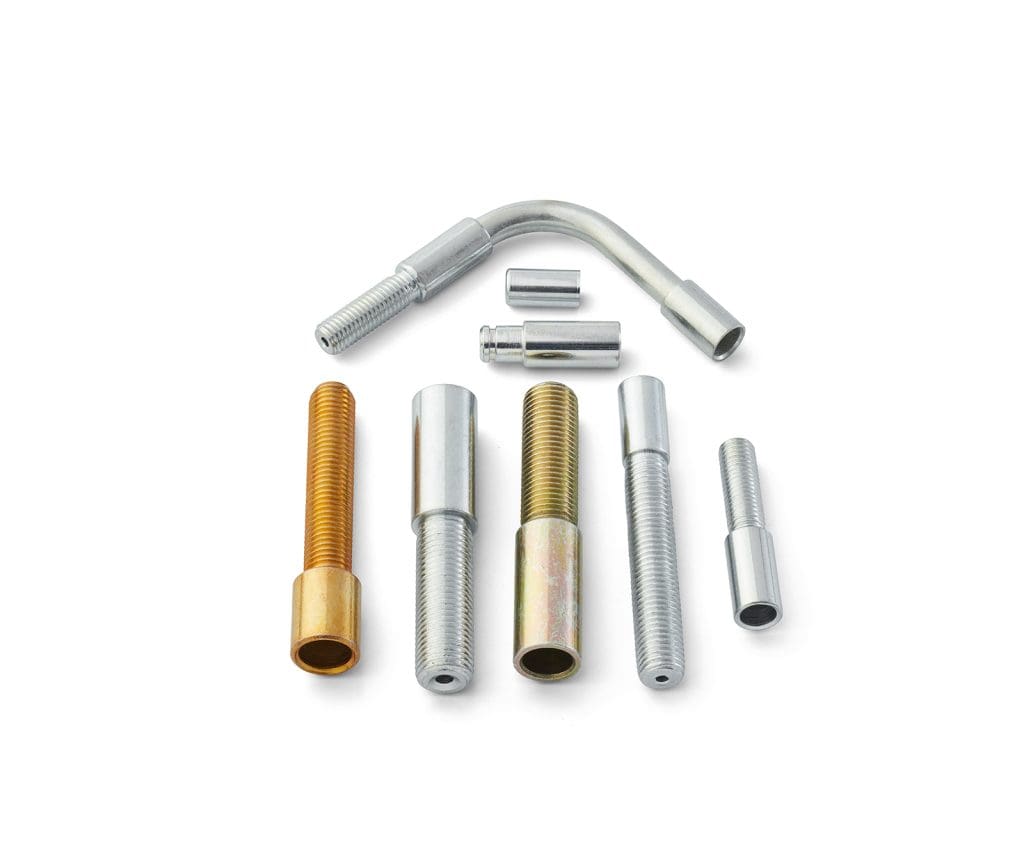
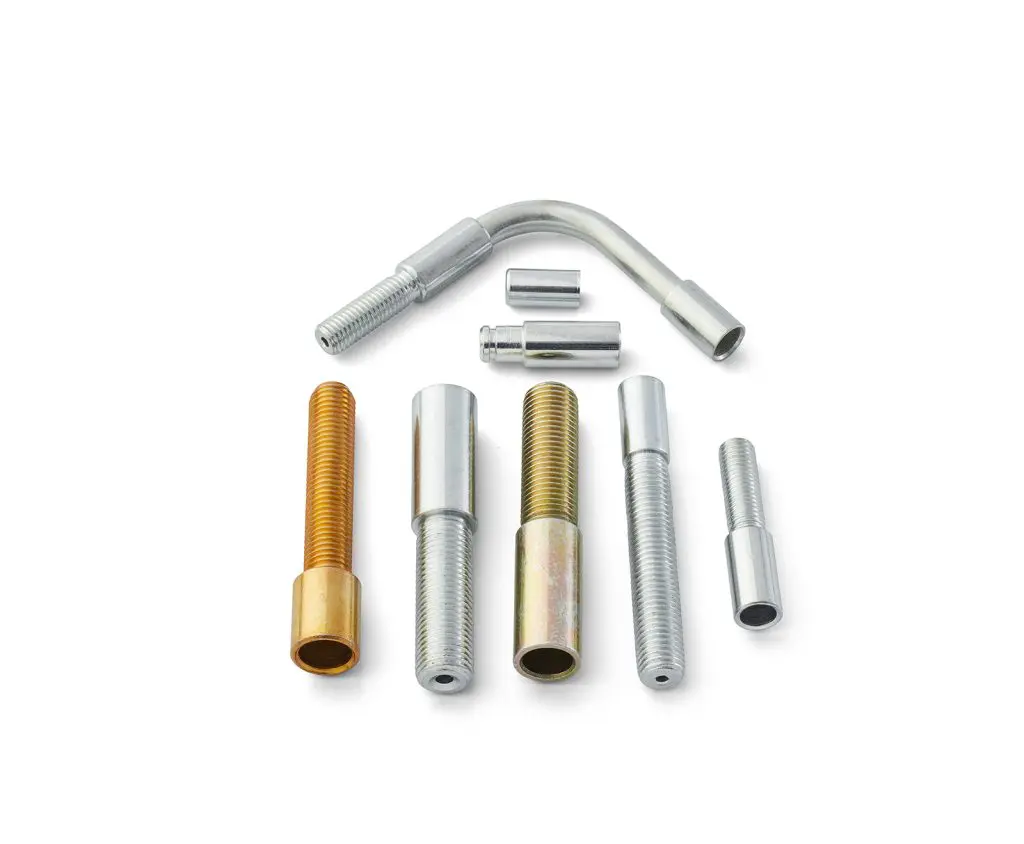
The conduit (outer casing) supports and guides the inner cable, protects it from abrasion and the environment, and anchors the assembly at each end. Conduit fittings are the hardware that lets you mount the assembly to brackets, panels, or housings and keep the conduit fixed while the inner cable moves.
By pairing the correct conduit with matching conduit fittings, we ensure smooth motion, minimal friction, and secure mounting — even in long runs or high-load applications.
Design Tips:
- The more we know up front about load, routing, and how you measure length, the faster we can move from quote to production-ready print.
Need a Starting Point?
Send us your print, sample, or basic requirements and our engineering team will help you refine the right cable size, construction, fittings, and tolerances.
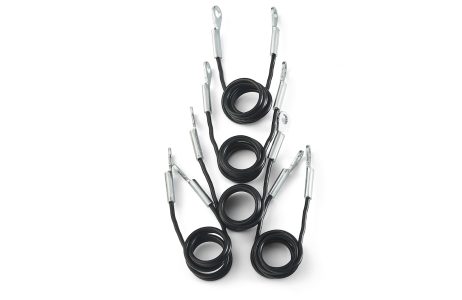
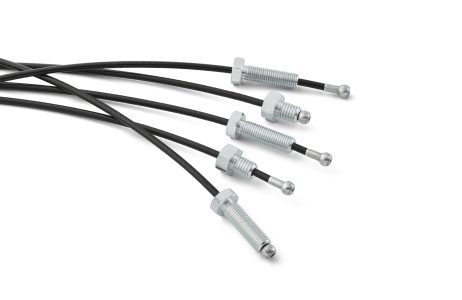
Visualize Your Next Push Pull Custom Assembly
Cables engineered for your application. Ready to design yours? Request a custom push-pull assembly.
Other Key Features & Benefits
key features, advantages, and customer benefits of Tyler Madison’s push-pull assemblies.

Flexible Conduit Design
Custom-length routing with low friction

Custom End Fittings
Choose from clevises, threaded studs, stops, and more.
Durable Materials
Galvanized or stainless steel inner cable
Precise Bidirectional Control
Transmit force in both push and pull directions with minimal backlash for accurate operation

Low Maitenance
High-quality wire rope and conduit ensure long-term performance even under heavy use
Push Pull Cable Supplier & Manufacturer
Tyler Madison is a full-service, industry leading manufacturer of custom and stock wire ropes, cable assemblies and accessories. Our affordable products and advanced manufacturing abilities make us an excellent choice for all of your wire rope and cable needs. We offer design and engineering, and we can even create functional prototypes before starting production. Whether you need a customized solution or a product from our inventory, we’re ready to help you!
Related Products
Maybe you’re looking for more than push pull controls. If so, you’ve come to the right place! At Tyler Madison, we also manufacture things like wire rope lanyards, wire rope cable assemblies, conduits, terminals and other related wire rope hardware. No matter that type of mechanical product that you are building or fixing, it’s likely that you can find all the cable and wire rope you need at Tyler Madison. Our advanced machining techniques and skilled team even make us capable of manufacturing complex custom control cable parts for you!
Push Pull Cable FAQs
What is a push pull cable?
A push pull cable is a type of control cable that can transmit force in both directions through a flexible conduit. When you move the handle or lever, the push pull control cable can either push or pull the mechanism at the other end, even around bends and through tight routing. This makes push pull cable assemblies ideal for applications that need positive motion in both directions instead of relying on a return spring.
What is the difference between a push pull cable and a Bowden cable?
A push pull cable is designed to transmit force in both directions through the cable and conduit, so you can push and pull the mechanism from the control end. A Bowden cable is normally a pull only control cable, the device returns with a spring or other return force. Use a push pull control cable assembly when you need positive two way actuation, and a Bowden cable when you only need pull force. For pull only systems, see our Bowden Cable page for more details.
What are Push-Pull Cable Assemblies?
Push pull cable assemblies are complete control cable systems built around a flexible inner cable running inside a conduit with end fittings and hardware on each end. They allow you to transmit force in both push and pull directions so you can operate mechanical mechanisms remotely with precise, repeatable motion.
What are the types of control cable assemblies?
There are two main types of control cable assemblies:
- Push pull assemblies are used when force is required in both directions of the cable travel. A choke control on a small engine is a good example.
- Pull assemblies are used when force is needed in only one direction and a spring or other mechanism returns the device. A hood release cable on most vehicles is a common example.
Push pull assemblies provide positive motion in both directions, while pull assemblies are usually simpler and rely on the return mechanism at the device.
What are common applications for custom push pull cables?
Custom push pull control cables are used in many applications, including:
- Throttle and engine controls
- Choke and enrichment controls
- Brake and clutch actuation
- Directional controls and shift mechanisms
- Valves, dampers, and other actuators that need motion in both directions
What industries use push pull control cables?
Push pull controls are important components in many industries, including:
- Automotive and specialty vehicles
- Aerospace and defense equipment
- Agricultural and construction machinery
- Industrial machinery and material handling
- Fitness equipment and other specialized devices
In each case, high quality push pull cable assemblies help improve equipment feel, reliability, and service life.